

Towel warmers are a luxurious addition to any bathroom, keeping your towels cozy and ready after every shower. But many people wonder: do towel warmers actually dry towels? The answer is that they can dry towels,bathrobes, cloths, and similar items—but only to a certain extent. Rack-style warmers, whether wall-mounted or freestanding, provide steady heat that helps moisture evaporate and can leave towels fresher and drier than a standard rail. Bucket-style warmers, on the other hand, are excellent for warming towels but are not designed to remove dampness.
In other words, towel warmers are best at partially drying lightly damp towels and keeping them warm between uses. They won’t replace a tumble dryer for heavy, wet towels, but they do make a noticeable difference in hygiene and comfort. This guide explains how towel warmers work, how effectively they dry towels, and tips to get the best results.
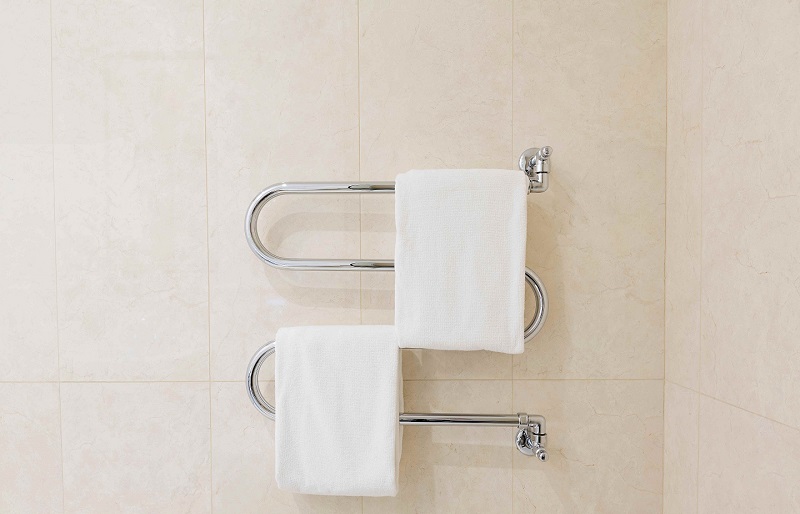
How Towel Warmers Work
Towel warmers come in three main types, each with different drying effectiveness.
Electric Towel Warmers
Electric models are the most common and come in many styles, but the two most widely used are rack-style warmers, such as wall-mounted units, and bucket-style warmers..
- Rack Warmers (Wall-Mounted or Freestanding): These ladder-style or panel designs heat between 100°F and 160°F. Higher wattage units (150–400W) can dry lightly damp towels over time, especially when towels are spread flat across the bars. Freestanding versions add portability and space for multiple towels.
- Bucket Warmers (Zadro, Keenray): Cylindrical units where towels stand upright inside. Popular in the U.S., they provide gentle, even heat but are not effective at drying wet towels. Because moisture is trapped inside the chamber, they are best for warming already dry towels rather than removing dampness.
Hydronic (Water-Based) Towel Warmers
Hydronic warmers connect to a home’s hot water or radiator system. They deliver steady, gentle heat through circulating water in the bars or panels. Towels feel warm and partially dry, but the drying process is slower and less efficient compared to electric rack-style models.
As it’s clear, only rack-style towel warmers—whether wall-mounted or freestanding—can effectively dry towels. Bucket-style units may keep them cozy, but they won’t chase away the damp. And since drying clothes in cold, wet weather can feel like trying to catch sunshine in a jar, here are some practical tips to help you get the most out of your rack warmer.
It’s also worth noting that drying ability and speed don’t depend entirely on the warmer itself. Several other factors—such as towel material, thickness, size, and the design of the warmer—play a crucial role in how well and how quickly towels dry.
Factors That Affect Towel Drying Ability
Drying speed depends on a combination of towel type, thickness, wattage, and warmer design—not just the warmer itself.
Tips to Maximize Drying on Towel Warmers
To get the best results, a few practical steps can make a big difference:
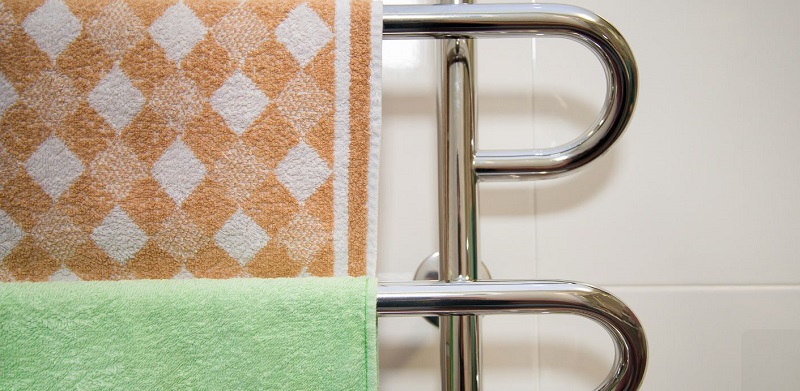
- Spread towels fully across the bars instead of folding thick towels.
- Use high-heat or dual-zone units if available, as they dry faster.
- Combine with ventilation—bathroom fans or open windows improve evaporation.
- Rotate large or thick towels occasionally to ensure edges dry evenly.
- Check material care instructions, since sensitive fabrics like linen or bamboo may require lower heat.
Conclusion
So, do towel warmers dry towels? The answer is partially. They work best for lightly damp towels or for maintaining warmth between uses. Very thick, wet towels may still need a dryer first.
For drying efficiency, rack-style warmers with higher wattage and good airflow are the most effective. Bucket-style warmers, like Zadro and Keenray, are perfect for warming towels but not for drying them.
Ultimately, towel warmers are not just a luxury—they keep towels fresh, warm, and extend the life of your linens, even if they can’t completely replace your dryer.
Frequently Asked Questions About Towel Warmers

Written by Fatzuh
Related Articles
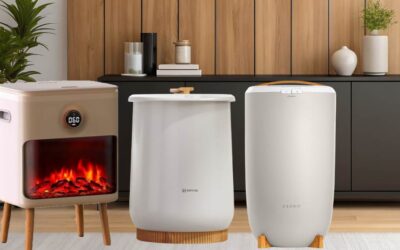
Best Towel Warmers for Small Bathrooms
Small bathrooms require towel warmers that fit limited space while still drying towels efficiently. This guide compares the best towel warmers for small bathrooms, including compact wall-mounted and bucket-style models, focusing on size, heating performance,...
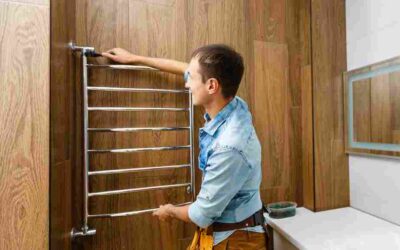
How to Install Towel Warmers and Choose the Right One for Your Bathroom
A towel warmer sounds like a simple upgrade — until you realize how many people install the wrong type in the wrong place and end up disappointed. Plug-in, hardwired, and hydronic options all install differently and work best in specific locations. The insights here...
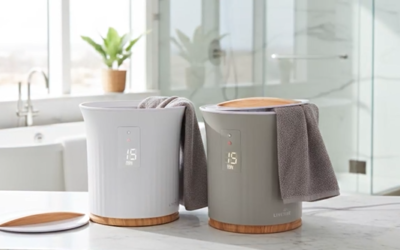
Live Fine Bucket Towel Warmer Review: Bathroom Luxury Made Simple
I’ve always believed that finishing a shower or bath with a warm towel makes a small but meaningful difference in comfort. There’s something about stepping out of the bathroom and wrapping yourself in a toasty towel that feels like a tiny home spa experience. That’s...